
PRACTICE AREAS
AWARDS


ASSOCIATIONS

St. Charles Bankruptcy Consumer Protection Lawyer
People with massive amounts of debt can often feel trapped. Too often, they assume that the harassing phone calls from debt collectors are something they will have to hide from every day until they can find the better job, win the lottery, or utilize some sort of debt resolution option like bankruptcy, debt defense, or credit repair.
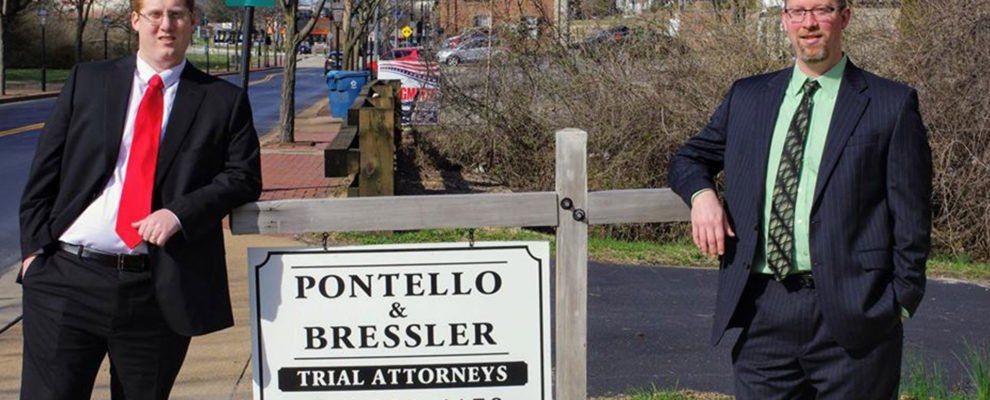
If you have substantial credit issues or you are facing foreclosure, you should be sure to know all of your legal options. Pontello & Bressler, LLC helps clients in and around St. Charles County find the most favorable resolution to their financial dilemmas. Our firm files bankruptcies and can help stop foreclosure, wage garnishments, and harassing phone calls from debt collectors.
For people who are behind on mortgage payments, credit card bills, or other types of debt, it is important to understand that you still have several legal rights that protect you from aggressive debt collection tactics and credit reporting errors. Pontello & Bressler, LLC represents consumers in cases involving violations of the Fair Debt Collection Practices Act, Telephone Consumer Protection Act, and Fair Credit Reporting Act.
Our firm files lawsuits against abusive debt collectors and negligent credit reporting agencies who violate state and federal laws. Consumers are frequently unaware that they may be entitled to monetary damages when they have endured harassment or had credit report inaccuracies ignored, and Pontello & Bressler, LLC works tirelessly to obtain compensation for these people.
We have a thorough understanding of the federal laws that were enacted to protect consumers, and our firm helps people in difficult financial situations make the right decisions and find some level of relief during very stressful times. Pontello & Bressler, LLC is dedicated to advocating for our clients throughout the bankruptcy process and to vindicating their consumer rights by holding all parties that abuse the debt collection or credit reporting process accountable.
Do not continue to live in fear or frustration. Contact Pontello & Bressler, LLC right now to have us review your case during a free, confidential consultation so we can help you explore all of your financial options and understand all of your legal rights.
We are proud to serve clients throughout the greater St. Louis metropolitan area, including Saint Charles and other surrounding counties.
We are a debt relief agency. We help people file for bankruptcy relief under the Bankruptcy Code. Many of the services and benefits provided by Pontello & Bressler, LLC are with respect to bankruptcy relief under title 11 of the United States Code. The choice of a lawyer is an important decision and should not be based solely upon advertisements.The use of this web site does not create an attorney-client relationship.
Free case evaluation
Free case evaluation
© 2023 Pontello & Bressler, LLC. All Rights Reserved.
Powered by